
How to Wear HMDD Zip Hoodie Read Before Buying
A Beginner’s Primer to Browsing HMDD Garments via the Internet
Stepping into the world of HMDD as a newcomer can be a touch confusing. HMDD’s own name is a shortened version of “Happy Memories Don’t Die,” a line that shows up across drops, artwork, and even how the brand describes its own identity. If you’ve stumbled onto HMDDLA on social platforms or seen someone tag photo with HMDD clothing, you’re probably wondering what the entry point is, what to expect size-wise, and whether the attention lives up to the actual product. What follows covers the nuts and bolts of shopping the brand online, skipping the unnecessary padding.
Unlike a lot of streetwear labels that lean entirely on logos, HMDD builds its collections around a mood — wistful, touched with melancholy, but still easy to throw on daily. This push-pull between emotion and street style is one reason new shoppers get curious. The moment you grasp how releases and sizing are structured, actually buying gets far less puzzling.
What Really Is HMDD?
HMDD stands for “Happy Memories Don’t Die,” and this line works almost as a guiding statement for the label as a whole. Instead of chasing trend cycles season to season, the brand recycles and reimagines this idea across hoodies, tees, shorts, and sweatpants. You’ll see the phrase spelled out in full on some pieces and shortened to HMDD on others, which is important to keep in mind if you’re attempting to distinguish authentic items as opposed to knockoffs.
The overall look hovers between retro-leaning streetwear and modern-day loungewear. The artwork tends to draw on emotional or reflective ideas instead of loud, aggressive branding, which distinguishes it from many rivals in the same price bracket. Unlike some heritage streetwear labels, this one isn’t built around one iconic logo — it’s built around a message, expressed through different visuals across each collection.
Because the label operates primarily online, most people encounter it through Instagram or TikTok before ever seeing the actual site. This is a typical way in, but it means plenty of newcomers arrive with concerns over legitimacy, sizing, and whether some online HMDD hmdd washed hoodie review can really be trusted. We’ll get into all three.
Picking Out the Suitable Products: Sweatpants, Shorts, and Beyond
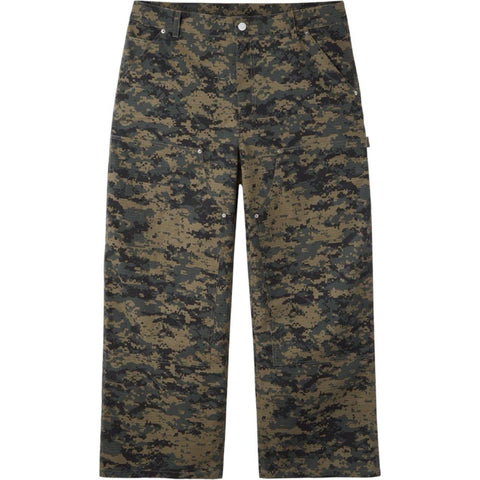
Out of everything on offer, it tends to be hmdd sweatpants and hmdd shorts that pull in the majority of first-time buyers. Both embrace a loose, roomier-than-usual cut that’s become standard across streetwear-adjacent loungewear in the past several years. If you’re used to slim-fit basics, be ready for a distinctly more generous silhouette through the leg and waist on the majority of bottoms.
Sweatpants from the label typically feature a flexible drawstring-and-elastic waist, which adds some wiggle room to fit than structured pants with a fixed waist measurement. The shorts operate on the same principle — wider leg openings, a longer inseam than old-school athletic shorts, and fabrics chosen to work across all seasons rather than strictly summer use. If a specific product page lists a fabric blend or GSM (grams per square meter) weight, always check that before buying, since fabric weight in loungewear shifts considerably from release to release and directly affects how insulating or airy a piece feels.
Beyond sweatpants and shorts, most collections also include printed t-shirts and hoodies that feature the same “Happy Memories Don’t Die” messaging. If you’re putting together a fit built from one core piece, beginning with sweatpants or shorts as the foundation and adding a graphic top over it is the go-to styling method for this label, based on the way looks are put together in HMDD’s official promo shots.
Fit Guidance: Where First-Timers Go Wrong
The most common error first-time buyers commit with any streetwear-loungewear hybrid brand is assuming standard sizing applies. Since much of HMDD’s clothing leans toward an oversized, relaxed cut, going with your normal size can result in something that feels one size up from what you thought you’d get. HMDD isn’t alone in this — it’s the norm across the streetwear category — but it trips up new shoppers again and again.
Be sure to consult the particular size chart shown on the listing you’re buying from, rather than expecting sizing to match from one category to the next. A hoodie’s size chart may not line up with a sweatpants chart, since the intended fit and fabric behavior differ between garment types. If measurements in inches or centimeters are provided, check a similar garment already in your closet and line up the numbers instead of defaulting to your typical letter size (S, M, L, etc.).
When buying into a limited release with no easy return or exchange option, sizing down is usually the safer bet for items described as “oversized” or “relaxed fit,” since that kind of cut already has built-in extra space. Conversely, if a listing explicitly notes a “true to size” or “regular fit” cut, that’s a signal it’s designed to fit closer to typical size standards.
Is It Worth Buying? How to Read Reviews Properly
Someone who’s looking up “hmdd review” before buying is making a smart move — the key is to make sure you read reviews critically rather than assuming every comment is accurate. Watch closely for mentions of the weight of the material, the quality of the seams, how the item holds up after washing, and true-to-size feedback rather than vague comments like “love it” or “great brand,” which aren’t genuinely helpful for decision-making.
Customer-submitted photos are typically more dependable than text alone, since they reveal real color accuracy and fit on different body types. Where a review platform lets you filter by size or body type, use that filter aggressively — someone 6’2″ shouldn’t expect the same fit results a 5’6″ reviewer described.
Focus on patterns that repeat across many reviews rather than letting one extreme review sway your judgment. A lone comment about a misaligned print isn’t proof of a broader manufacturing flaw, but five independent mentions of the same seam issue on a single item signals a real, noteworthy pattern. Don’t forget to look at the review date as well — a review from an early 2023 drop may not reflect current production quality if the brand has since changed manufacturers or materials.
HMDD Versus Other Loungewear Brands: A Comparison
To put things in perspective, here’s a general comparison of how HMDD’s core categories measure up against typical competitors in the same streetwear-loungewear space. This isn’t a pricing comparison tied to any one brand (since pricing shifts with every drop) but rather a structural comparison of what shoppers typically encounter across this category in 2026.
| Feature | HMDD Clothing | Standard Mass-Market Loungewear | Typical High-End Streetwear |
|---|---|---|---|
| Fit Style | Easy, roomy cut | Regular / fitted | Inconsistent, though usually roomy |
| Release Model | Restricted-run launches | Ongoing replenishment | Limited drops |
| Aesthetic Priority | Graphics built around a message | Minimal branding | Branding centered on logos |
| Primary Sales Channel | Online, direct-to-shopper | Both in-store and online | Online + select retail |
| Secondary-Market Interest | Moderate, drop-dependent | Minimal | Strong |
The brand, as this table illustrates, sits closer to the high-end streetwear model through its limited-drop strategy rather than ongoing replenishment, all while staying accessible via direct online sales. That combination is part of why certain pieces sell out quickly and why checking release dates matters if you’re trying to catch a specific item before it sells out.
Tips for a Smooth First Order
Prior to making your initial purchase, register on the official site, assuming that option exists, since alerts for new drops and restocks are typically sent to account holders before anyone else. Falling behind by just 30 minutes on an alert can mean losing out on a limited piece completely, especially for smaller sizes that disappear soonest in scarce, timed releases.
Before you buy, double-check the policy on returns and exchanges, specifically for discounted pieces or limited releases — many streetwear brands place restrictions on returning final-sale merchandise. Should the size charts be listed in centimeters while you’re more used to inches, do the conversion beforehand instead of estimating — a two or three centimeter miscalculation on a waistband measurement can be the deciding factor between keeping the piece and sending it back.
Right when you check out, capture screenshots showing the item’s listing, cost, and sizing chart. This sounds excessive, but limited drop pages sometimes are changed or taken down once items sell out, and keeping your own proof makes dealing with customer service over size or condition issues a lot less of a hassle.
In Summary
Once you understand the basics — a loose, forgiving fit, design rooted in the “happy memories dont die” ethos and a release system built around limited drops that favors those who act fast and study the size charts closely — shopping HMDD for the first time doesn’t need to be complicated. Whether sweatpants, shorts, or a graphic tee catch your eye, identical rules apply — take your measurements before purchasing, evaluate reviews with a critical eye, and trust the sizing chart completely rather than guessing. There’s a much better chance your first order fits like you hoped if you do that.